Working

Reading
The boy that harnessed the wind This is truly inspirational, this is an account of a young man making and providing for his community, well worth a read. This I suppose is the most grass roots design meeting need that I have seen for a while. It is simple but fantastic and now William Kamkwamba is a TED fellow.

Doing
I had a really positive response from Digital Shoreditch. I was due to give a talk (download here) but it turned into a table top presentation and people taking part in a discussion about sensing, what they would sense, how this could an would impact and what is open design ie points of entry. Assembling presentations for corporate collaborators, this has been something that I would love to share with you if it happens the way that I want it to. There was a good crowd of mixed people all with the same goals.


We have been vigorously preparing for Made in Brunel  where we will be running design workshops throughout the whole time, if you want to take part and see what we are up to then come along! I have also been preparing a second probe that will go out soon, there is quite allot to write up from things that I have been doing and also things to publish, which is nice. Bellow, how I seem to be spending my Sundays at the moment... not a bad time, it is becoming increasingly interesting and engaging.


Introducing some queen cells, was the order of the day. There was some good fun had with some Xbee modules that we are getting working, so far many people have said series 1 or series 2. they have different capabilities, the main thing is finding the source code and details on them, thanks Karl! best book (here) that we have found on this, it talks about software patches and has some great links.


Talking
I had a supervision, this is when you get together with you supervisor ie tutorial. good, all went well. The best chat of the week was with Ariel Waldman, she is an inspiration and very diverse. she has just written a really interesting article on citizen science that you should check out on her site (link on her name). I am still looking for good citizen science journals if you know of any please get in touch.

Making way

Reading
Principles in practice, ethnography, Hammersley and Atkinson
This is a great outline for ethnography discussing fieldwork, ethics, case studies. If you are looking at observations and you need some good solid references then this is a great place to start. There are many reoccurring themes but they discuss quite allot through examples of projects or findings which is a good way of writing as it always supports what your opinion.
Community Technology, Karl Hess
Originally written in the 70's, it has very interesting views on how things can be shaped pre-internet. there are some great thoughts on what a community is, how it is shaped and has a good view on technology, that you need to community for it to work efficiently. This is true as you usually build off others, worth a read.
Really nice project from Interaction Research Studio Goldsmiths, Legible Landscapes
Rapid ethnography: time deepening strategies for HCI field research
a good series of thoughts on how to structure what you are looking at, how you are reviewing but more importantly how to refine in the first please, by that I mean how to centralise what you are looking at. This does not give you the broadest picture but if you are trying to be more focused then it is a good thing to look at.

Risk to researchers in qualitative research on sensitive topics: Issues and strategies
looking at where researchers should and should not be and how this is structured. This is an extreme example where researchers are looking at undercover crime etc but it does make you think about the issues at hand.
Going back and giving back: The ethics of staying in the field
looking at the idea of going native in research, then also when the ties need to be cut. thinking about what and how the participants are included in the research after the research.
Investigating information systems with ethnographic research
a good simple guide to ethnography terms.
Between stranger and friend: Some consequences of “long term” fieldwork in schools
a good look at how the relationships change over time, who becomes the researcher, how do you remain impartial as a researcher? how do you develop what is happening and control what is going on so that you do not become so 'native' that you cannot be a researcher.
What's wrong with ethnography?: Methodological explorations
a good look at process, understanding the situations where ethnography does not work, its failures and how to avoid them.. a good read


Doing
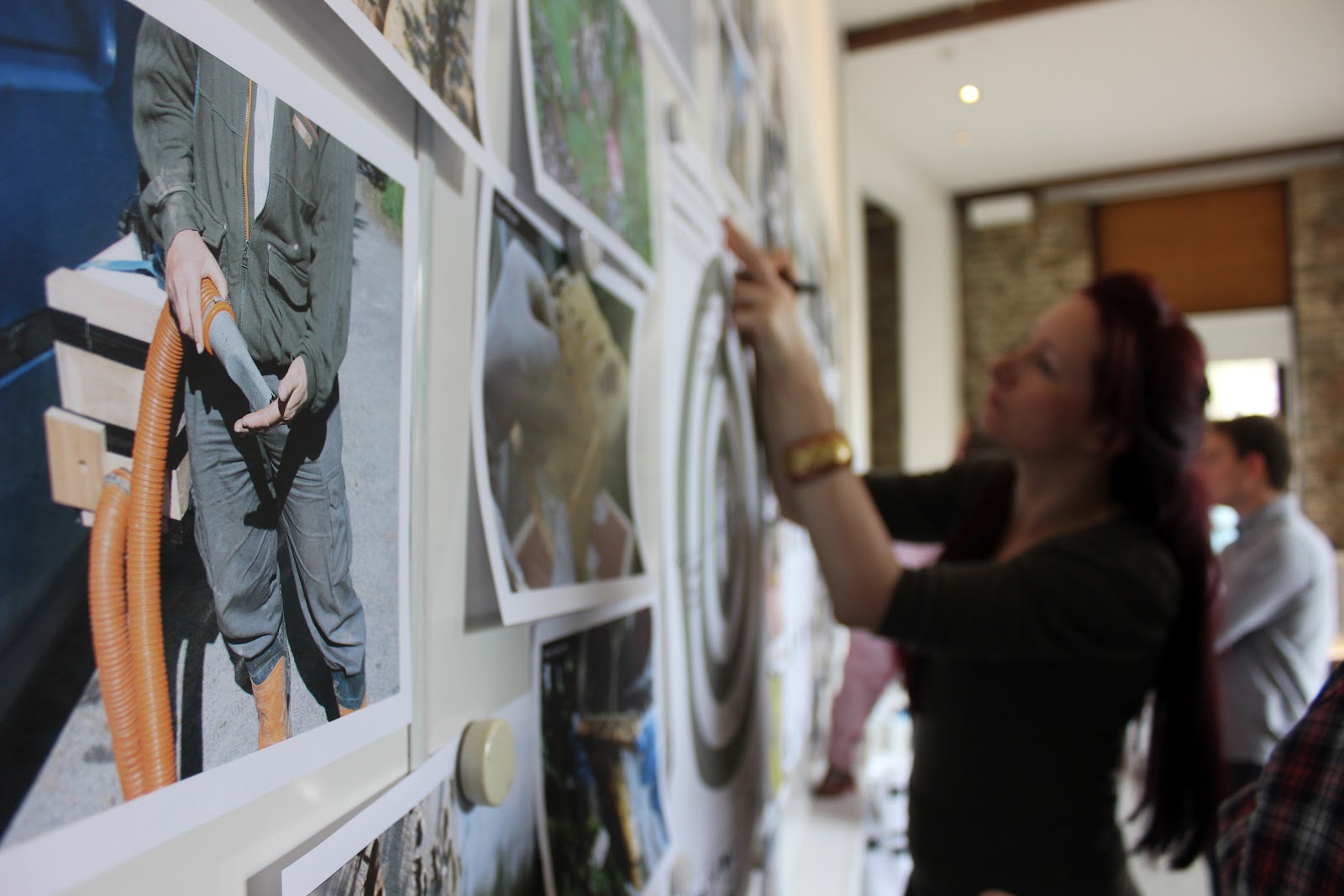
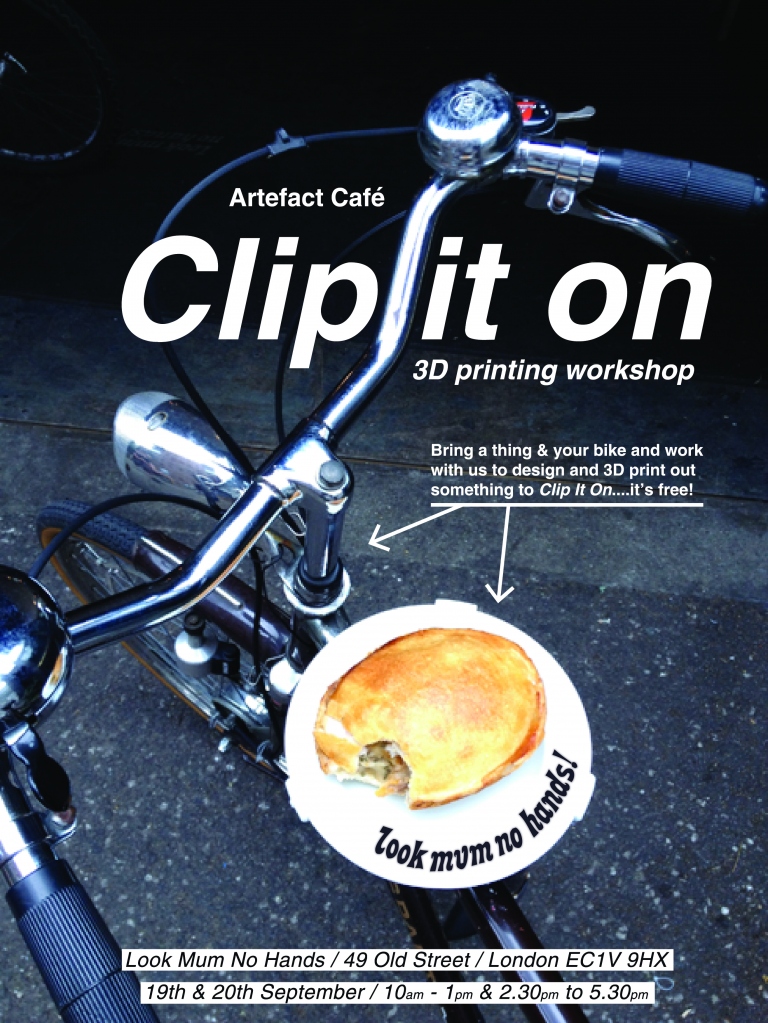
We have been running some design workshops for artefact cafe, they are starting to look at interesting themes within open design that I look forward to sharing in publication. We will be at Made in Brunel if you want to come along and take part in some design workshops.


I have been going through the results of the exhibition at future everything, there were some great things to come out of it, insights thoughts and developments. It was really great to meet with independent researchers this week and discuss what is happening, directions, the concept of gifting ie what people want for doing something and the directions that I have taken. They did not want to be mentioned, they know who they are and I thank them for their time.


I have been involved in queen inspection, this is something that takes place during the summer months. I have also been on swarm patrol where we get a call to different locations to collect swarms. The pictures bellow are analysing how and what the plan is.


Inspecting a home made hive, I am not quite at this... going native stage yet.


I have been working on the second probe tool, that will highlight more specific directions, I have always learnt that probes need to be open to interpretation. If nothing of interest comes out of them then you have either been asking the wrong questions, not thought about how people will interpret... or they simply do not have time.
Talking
Good chat with the Honey Club in kings cross, they are interesting as a social innovation.


Exhibitons

Doing
Presented a poster at horizon digital economy during the week which was good. it is always great to talk to as many people as possible with what you are thinking about. We also presented a poster on the Artefact cafe and UIC projects.


We had a team effort for future everything running workshops, based on the themes, what would you sense in your environment? There was also a publication, The trust of a maker and making to trust PG 35. Downloadable Version. This was a good opportunity to welcome people to the conversation, if you want to have a read and chat then please drop me a line. trust in making is an interesting issue when you look at open design. The visual questionnaire that was filled in was bellow. There was a series of stickers to engage people with thinking about how they would use their own senses as sensors, trying to break down that barrier that people need knowledge to be able to do something like this. This was a great public engagement exercise and great to see how things were perceived. There was some great feedback!


Some great contacts were made that I will let you know what comes of it. There was some great comments that I will share what I can, but I think that I am going to publish the findings, if there are any good open academic journals that you have seen then let me know. It was an honour to have Massimo Menichinelli turn up and take part in my workshop, thanks! openp2pdesign is a fantastic organisation for open design. The venue was the Victoria Baths in Manchester, one of the most beautiful spaces I have ever worked in, good just for a visit, a shame that it is not a baths any more... would have been amazing!


Reading
I have still been picking through Ethnography principles in practice it is a good read, very interesting! also allot about the basis that you need to take things forward.


Talking
I had a really good tutorial with Professor Tom Rodden at Nottingham, lead in HCI always a good discussion.

Chasing up

Doing
Really nice hanging out with bee keepers, I am planning another probe and looking at various areas. There has been some top bar hive inspection, learning about swarm gathering and self made swarm Hoovers, the right way to fill and use feeders... also a little bit of comb to eat on the way home.


Reading
Ethnography practices, Paul Atkinson. This is a great guide book to ethnography.

Yes... More Bees

Doing
I was invited to go and look at queen cells that people then put into incubators to rear queens. This is an art that takes a great deal of knowledge and practise. There are some great variance in different hives that people were looking at, they were also thinking about what is local, how easy they are to service. There was also the topping up of feed ensuring that the brood is well taken care of. The weather was a bit cold so things were quick but you have to think about how you would like your roof taken off your space on a Sunday morning. The new suit held up, which is a good start to the week and there was honey victoria sponge.


Lighting a smoker, a regular habit, like most things in bee keeping so many people have opinions over to  use smokers, not to... etc, there is so much opinion surrounding the right ways to do things. Inspecting for queen cells (bottom right hand corner) then collecting them for queen rearing.


Topping up feeders, to ensure that the bees have enough food, with the bad weather they will not want to venture out so need to be fed.


Documenting things of interest, mainly to share on the web or send to the BBKA or other friends that could help with questions. There was a small swarm that was also collected, these are an interesting set of techniques, the swarm always goes to the brood to protect it. There were some queen cells that were taken off the frame for rearing, this is where you put them into an incubator of 35 degrees to mature into queens. Great meeting with the honey club, a fantastic social innovation that is interested in bees. Picture of a queen cell that didn't make it.


A swarm that was rescued... this is interesting how they group and swarm, there is such a public perception of fear... but lets be fair, this one was tiny!


A fantastic tool, old lipstick holder and and a hair roller that has been adapted to keep a queen safe if she is being moved very temporarily, but super cheap. Great hack, or just an economy make.


There has been some great progress in the Artefact cafe project after the field work, watch this space for Made in Brunel.

Reading
Participant observation, Pierre Bourdiel a good look at ethnography, and how you immerse yourself in the group that you are studying.
Its just a matter of common sense, ethnography as invisible work, Diana Forsythe great insights, also supporting the school of "what people do is not always the same as what they say they do" very true but also quite a massive brush to paint a picture with.
Navigating the waves; the usefulness of a pilot in qualitative research, Helen Sampson, a real believer in trying thing out, a very good source with some great references.
Citizen science, highways and wildlife; using web based GIS to engage citizens in collecting wildlife information, Tracey Lee interesting project, great references that are worth a look. also defining citizen science which is interesting.

Writing
Submitted an essay for future everything, I will post a link when it is up!

More bees and different chat

Doing
I have been doing some really interesting user interviews for the artefact cafe project that we have been doing. Some really interesting insights coming out of it. Several activities that are interesting, one card sorting. A good exercise that always helps start conversations. You need to think about the important themes that you are looking for, they are good for thinking about what is important to a client with a brief. User interviews always make you think deeper about what, how and to who you are asking. I always think the more that you can be visual, get people to be visual and sit back, let them talk to you. Do not lead them, this is hard and takes time to learn. Think about a mixed demographic, extreme users and diverse groups are always advised.

IOT Nottingham an interesting event at Horizon, some great people discussing how and what the affects of IOT are going to have. Thinking about the ethics, who will be involved, how can you opt out etc. I have been finishing off the work for future everything, let me know if you are coming!

catching up on lit review...

Reading
Honey bee tracking with microchips; a new methodology to measuring the effects of pesticides an interesting insight into the software that can be created.

Capacitance, based sensor for monitoring bees passing through a tunnel interesting approach to counting bees, nice integrated approach of tech.

Combining citizen science, bio climatic envelope models and observed habitat preferences good quotes on citizen science and the affect that it can have.
There are some great papers about semantics and the effects that they can have from this conference, Desform 2012Environmental quality and welfare effects of improving the reporting and capability of citizen monitoring schemes, very insightful and well written, a great resource paper.


Talking
I have been talking to the Honey club, a very interesting project in kings cross. Some really interesting PhD students across different fields.


Thinking
There have been many waves of interesting things going on. Always think about in open design what are the motivations? do you give the user something new and see if they take it? or let them give you what you want? or half way in between... always hard. Open design being the next step in user centred design, do we enable, do we lead? this is the interesting process that we will need to think about more closely over the next few years.

Bees

Doing & Talking
I joined the Lewes and Brighton beekeeping society for a day of learning. It was fantastic, they were so welcoming and full of enthusiasm. This is definatley an area of interest, the people there ranged from completed novices to pro's and there was much debate in technique.

There is allot of specific equipment, but like all things people are divided on how much to use things, the rght techniques. There are common grounds that I have found between beekeepers and allotment holders from probes, they have the same approach, same attitude, they work with nature so things change and you cannot predict things... and they all like tea and are some of the friendliest people I have ever met.


There is an amazing amount behaviour and activity that goes on in a hive, communication through movement and pheromones... they are amazing creatures, so many insights that we can apply to design. If the workers know that they have a disease that is dangerous then the will self sacrifice and fly out of the hive to die, they store their excrement and go outside to save contamination of the hive. Truly they are a system inspiration! They are active and so diverse, they heal, they edit, they travel. One very interesting insight was that if you move a hive (whilst in use) you either have to move it 3ft or 3 miles, (I am sure there is a difference of opinion) so that they can re orientate themselves or find new areas. 


Checking the frames for disease and contamination. There is a tremendous amount of knowledge that goes into  being able to describe and understand what you are looking for and then being a doctor in the approach that you deal with the problem. Some of the photos are bit out of focus etc, it is not all that easy taking pictures in a bee suit... covered in bees!
There has also been a visit to the BBKA spring convention in Stafford. This is massive so will blog about is separately. 

The Smell of Cedar in the exhibition centre was amazing, this timber is used because it is light weight, durable and will last for an average of 10-30 years without treatment. The approach of the visitors was amazing, so many good contacts from events like this. The beard ratio was high, so was the friendly nature and the comments "well there are many ways to do that... if it was me then". There is plenty of opinion in bee keeping about how to do things, who is right and who is wrong, but this is interesting bit.
 Proof that Open design exists in different areas, this is also based on an economy and scale of cost per unit, there is still the labour cost in these things. People always talk about motivation, ie why should someone do this, that etc... I think this is important to bear in mind but it should not just be the driving force, people do know what is possible until someone tries it or highlights the points of what is happening.

So many varieties of amazing equipment to do specific tasks and the openness of lectures and training that was at the show, very insightful and inspirational.


Doing
looking at different ways of making IP housings with heat shrink. keeping it simple but open. I have some extrusions and details that I am happy to share. Here are some test images, the black murk is ink in the water. Simple casings and I know that O-rings are better but, thinking about alternatives that are less dimension specific and more "open". it did work but needs allot of compression, when I have working and "idiot proof" I will upload the drawings, profiles and files. I have nearly finished writing a paper and looking for places to publish, I know that this goes hand in hand but it is easier to have the material first.


I also met up with the UCL citizen science group, very interesting and definitely a group to stay in touch with, very interesting concepts as the next stage of user centred design, ie designing outcomes for themselves. But which comes more important? providing the platform? providing the chance to achieve something? providing the insight that x can be achieved? This is half of the argument.

Reading

“How motivated lay residents can themselves participate in science discovery and analysis thereby generating data that they not only have some proprietary interest in but can also hold up for further research”. An interesting read, looking for more citizen science so if you have any good references please share or email me.

Preparing...

Writing
lots of this for a paper that is coming up. There has also been quite allot for the literature review. We have also had an abstract accepted for a conference in Lancaster.

Talking
Interesting interview with members from the environment agency, they are interested in water and wider issues. They are doing allot of things that are looking into the translation of climate change to the public, very interesting... but there is allot to get distracted by.

Doing
There has been allot of planning for Future Everything that we will be running a workshop at. If any of you are coming let me know, would be interested to talk. There has been progress in the development of tasks and asking the questions, what would people make if they had the tools? This is a hard question to answer as... it is massive! I am interested in how people would use and create sensors... There are some initial sketch/postcard/ probes that you can have a look at bellow, or download the PDF. Workshops and instigators are important as they can really inform the direction of a project.
I have been looking at creating IP housings with RP and doing it cheap. There are experiments going on, working and developing. I am still looking for a bee expert, that wants to chat.

Writing and organising

Doing
It has been a doing week, we had some very successful workshops that we ran for the artefact cafe project. This used a collection of students to look at new ideation techniques, there were quite a few bugs but this is why you test these things. I have been writing up a paper and an abstract. we as a team are also preparing for Made In Brunel and Future Everything in May. There have been some great emails bouncing to and forth for meetings and things. I have put up a talk on Digital Shoreditch please click here and follow steps if you want to vote for the talk, thanks if you do. 

There has also been quite a discussion on what is "open" in the studio... let us know your thoughts, always welcome.

Seeing
good book for designing workshops
stunning project citizen sensor, well worth a look.

I have moved back to Arduino for the moment, for no other reason than the community is big enough to bounce things off. Gadgeteer is great but it also can be quite inaccessible due to cost and the tutorials that I have found, please do not be put off this great piece of hardware it is fantastic and I have seen some amazing things on it. I am also starting to become a great believer in shared code, I know that it takes quite awhile to write but there will always, always be someone that can use it for something better and involve someone else... surely this is just as if not more important?

quick little project below, getting things working. The feedback and HCI values are always under estimated, people always want to think that something is working... or doing something. This is just a simple temperature sensor, see note on Fritzing (image) as the resistor is wrong, the note is right.


Arduino Code

//TMP36 Pin Variables
int temperaturePin = 0; //the analog pin the TMP36's Vout (sense) pin is connected to
const int ledPin7 = 7;         // led pin number 7             

void setup()
{
  Serial.begin(9600);      //Start the serial connection with the copmuter
}
void loop()                     // run over and over again
{
 float temperature = getVoltage(temperaturePin);  //getting the voltage reading from the temperature sensor
 temperature = (temperature - .5) * 100;          //converting from 10 mv per degree wit 500 mV offset
                                                  //to degrees ((volatge - 500mV) times 100)
 Serial.println(temperature);                     //printing the result
 if (temperature >= 28) // above 28 then the LED is on it gets to here and doesnt like it.
 {
  digitalWrite(ledPin7, HIGH);
 }
 else 
 {  // under 28 then the LED is off
  digitalWrite(ledPin7, LOW);
  delay (1000);
 }   
 delay(1000);     
}

float getVoltage(int pin){
  return (analogRead(pin) * .004882814); //converting from a 0 to 1023 digital range
}